Inside the Rise of AI Kiosks: How InfoDesk and VisiTech Are Changing Retail
Self-service kiosks are moving beyond order-taking into inventory awareness and personalized recommendations. Here's what's driving the shift.
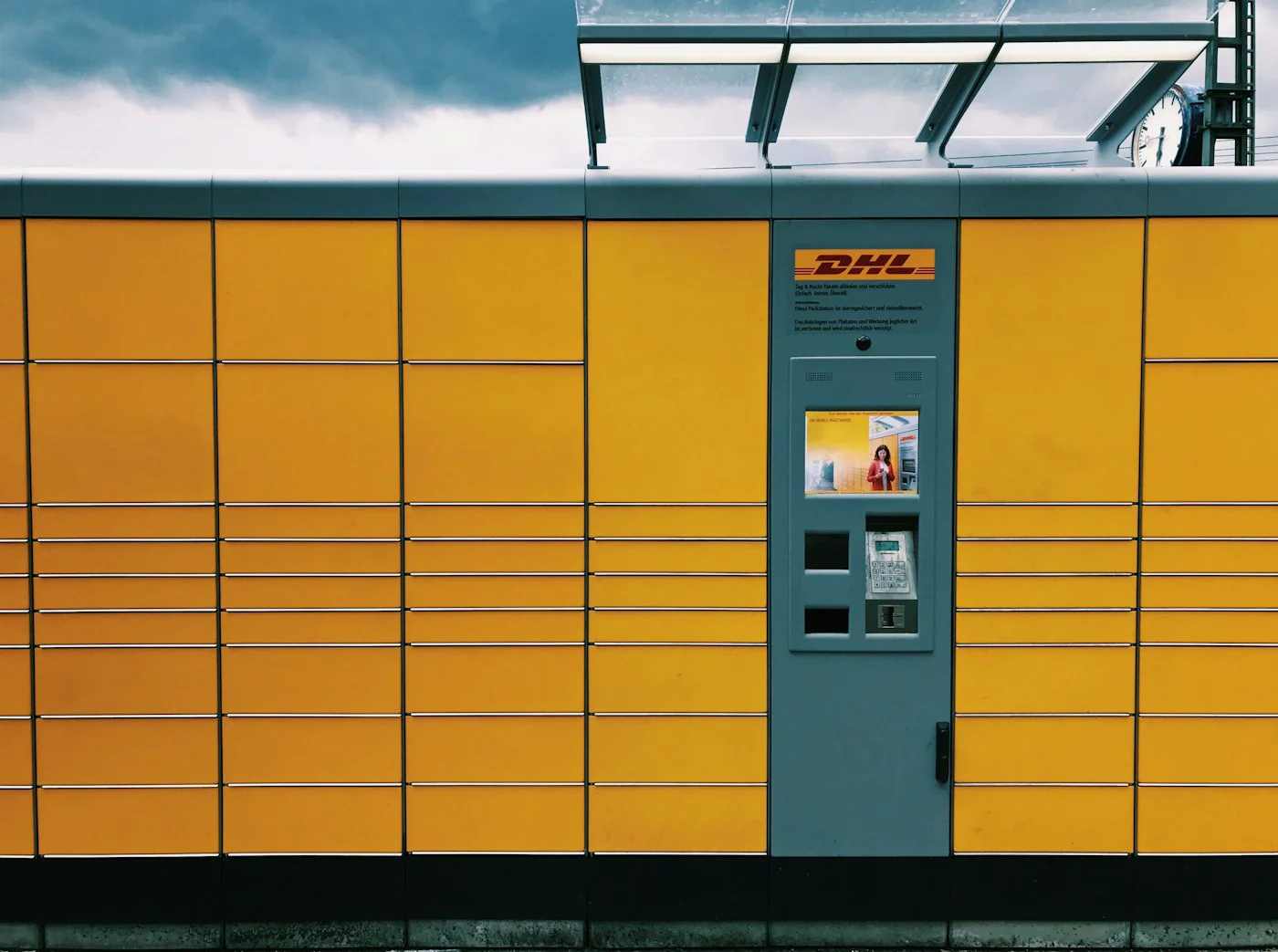
Self-service kiosks used to mean one thing: a touchscreen for placing an order without a cashier. That's changing quickly, as vendors like InfoDesk and VisiTech push kiosks into inventory-aware recommendations, queue management, and digital signage that adapts to store traffic in real time.
From Order-Taking to Store Awareness
The newest generation of kiosks pulls live inventory data rather than working from a static menu or catalog, which means a kiosk can stop recommending an item the moment it sells out on the shelf, instead of directing a frustrated customer to an empty spot. InfoDesk's current kiosk line integrates directly with backend inventory feeds for this purpose, and the practical effect is fewer canceled orders and less staff time spent manually updating item availability.
Computer Vision Enters the Kiosk
VisiTech has extended its shelf-camera and retail-AI work into kiosk-adjacent applications - queue-length estimation using overhead cameras, for instance, which lets a store dynamically route customers to a self-service kiosk when a staffed register queue grows past a threshold. This kind of integration blurs the line between "kiosk" and "retail AI platform," and it's a trend worth watching for any retailer evaluating a kiosk purchase in isolation rather than as part of a broader system.
Digital Signage as a Connected System
Digital signage attached to kiosk networks is increasingly dynamic rather than a looping video file - content can shift based on time of day, weather data, or even aggregate foot-traffic patterns from the same cameras used for queue management. The technical bar for "smart" signage has moved from simply being a screen with scheduled content to being a node on the same data network as the store's inventory and camera systems.
What's Driving Adoption
- Labor costs continuing to push routine transactions toward self-service
- Falling prices for the cameras and edge-processing hardware that make inventory-aware kiosks practical
- Customer comfort with kiosk interactions, accelerated by years of exposure in quick-service restaurants and airports
What Retailers Should Watch For
Not every store needs the full inventory-integrated, camera-aware kiosk stack on day one. A phased approach - starting with a straightforward ordering kiosk and adding inventory integration once transaction volume justifies it - avoids paying for capability that goes unused. The integration work between kiosk, POS, and inventory systems is usually the larger cost than the kiosk hardware itself, so budget accordingly rather than treating the kiosk purchase as the whole project.
Looking Ahead
The direction is clear: kiosks are becoming one node in a connected retail-AI system rather than a standalone terminal. Retailers evaluating a purchase should ask not just what the kiosk does on its own, but how well it integrates with the inventory, camera, and POS systems already running in the store.
More from The Aixi
 Industry News
Privacy Trade-offs in Voice Assistants: What On-Device Processing Really Means
 Edge AI
The State of Edge AI Hardware in 2026: A Market Overview
 How-To