The State of Edge AI Hardware in 2026: A Market Overview
Edge inference boards, vision modules, and kiosk compute are converging around similar processing needs. Here's what's shifted in the market this year.
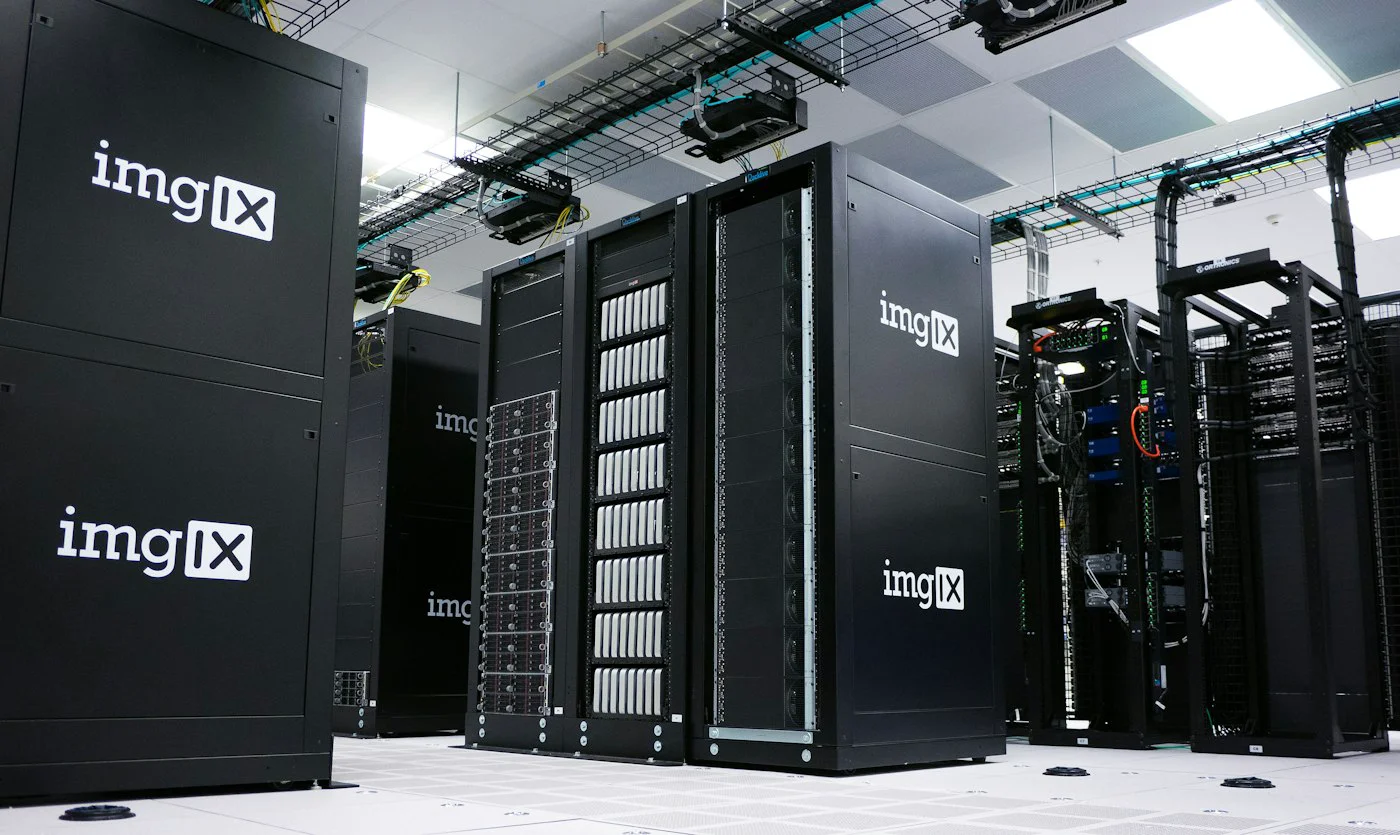
Edge AI hardware has moved from a niche category into a default expectation across retail, robotics, and smart-home products. Here's a look at what's actually shifted in the market this year, rather than what's been promised.
NPU Performance Per Watt Keeps Improving
The most consistent trend across vendors is improving inference throughput per watt rather than raw peak performance. EdgeForce's current generation of inference boards delivers meaningfully better sustained throughput at the same power envelope as its predecessor, which matters more for fleet deployments than headline benchmark numbers, since power and thermal budgets are usually the actual constraint at the edge rather than raw compute ceiling.
Vision Modules Are Absorbing More of the Pipeline
Camera modules increasingly include onboard processing rather than shipping as pure sensors, following the pattern Optisight has pushed with its edge-enabled camera line. This shifts the architecture question for integrators from "which edge box do I need" to "how much of my pipeline can run directly on the camera," and it's reducing the total component count in new deployments, even as it raises questions about vendor lock-in for the processing side.
Kiosks and Signage as Edge Compute Consumers
Kiosk and digital signage vendors like InfoDesk are increasingly building on the same edge-processing hardware as dedicated inference boards, rather than treating compute as an afterthought bolted onto a touchscreen. This convergence means kiosk buyers are effectively making an edge-hardware purchasing decision even when the product category on the shelf says "kiosk," and it's worth evaluating the underlying compute specification with the same rigor you'd apply to a standalone edge board.
Notable Shifts This Year
- Falling prices for mid-tier NPU-equipped boards, narrowing the gap between hobbyist and industrial-grade options
- Growing standardization around common model conversion toolchains, reducing the vendor lock-in that plagued earlier generations
- More vendors publishing sustained (rather than peak burst) throughput figures, a welcome shift for buyers comparing specification sheets
What This Means for Buyers
The practical effect of these shifts is that the "edge AI board" category is blurring into cameras, kiosks, and gateways alike, all built on similar underlying compute. Buyers should evaluate the processing specification - not just the product category label - when comparing options, since a vision camera and a dedicated inference board may now share more in common on the spec sheet than their different form factors suggest.
Looking Ahead
Expect the trend toward on-device and on-camera processing to continue as NPU efficiency improves, gradually reducing the cases where cloud processing is strictly necessary rather than simply convenient. For buyers planning a purchase this year, prioritizing sustained throughput figures and model-conversion toolchain quality over headline peak-performance numbers will produce a more reliable outcome than chasing the highest benchmark score on a spec sheet.
More from The Aixi
 Edge AI
How to Deploy an Edge AI Gateway for Multi-Camera Retail Analytics
 Industry News
Inside the Rise of AI Kiosks: How InfoDesk and VisiTech Are Changing Retail
 Industry News
Privacy Trade-offs in Voice Assistants: What On-Device Processing Really Means
 Edge AI