Wearable Health Sensors and Data Privacy: What Buyers Should Ask
Health-tracking wearables collect some of the most sensitive data you own. Here's how to evaluate a device's privacy practices before buying.
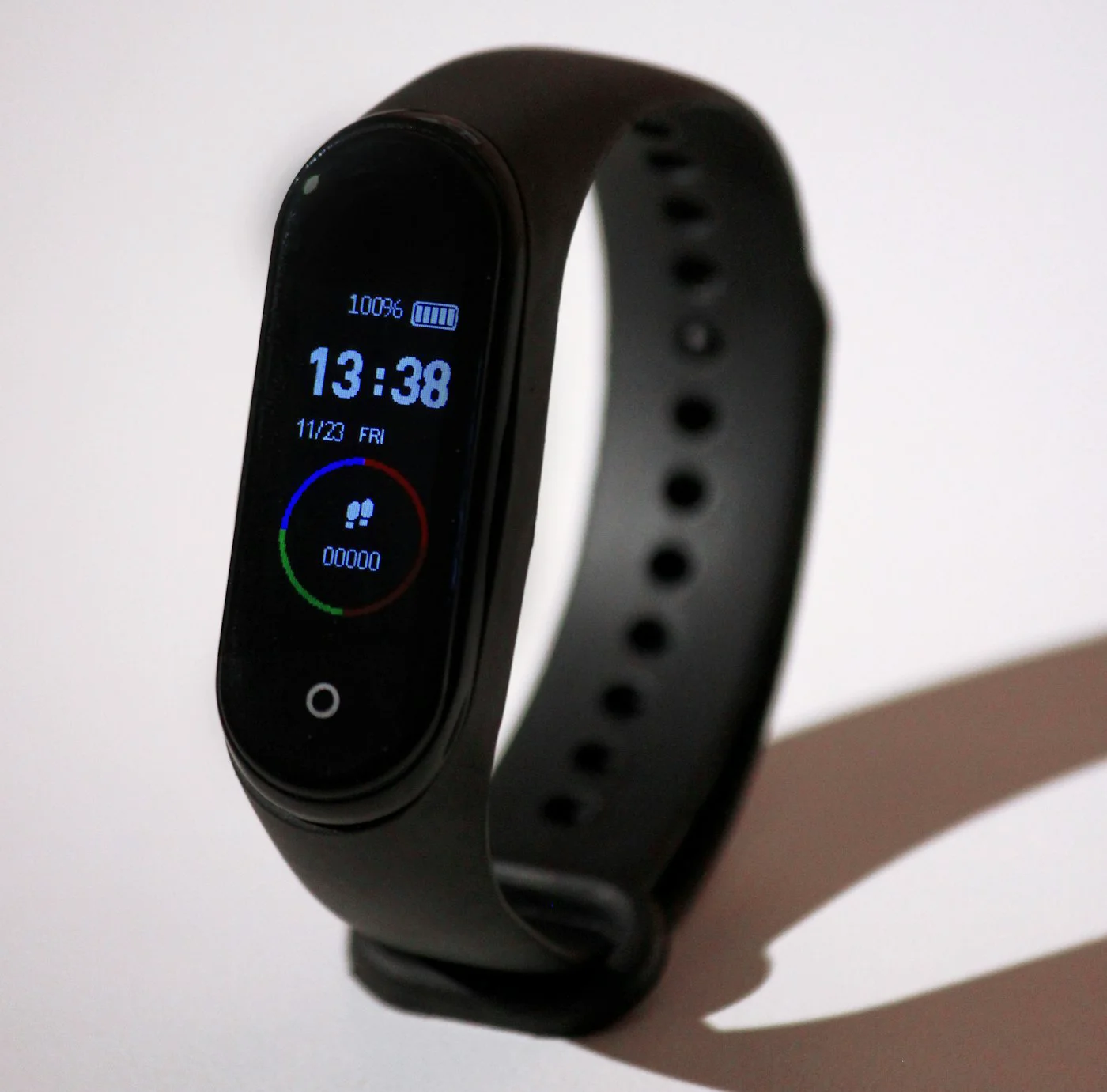
A health-tracking wearable collects data that's more sensitive than almost anything else in a smart-home or gadget purchase - heart rate patterns, sleep data, sometimes location history tied to activity. The specification sheet rarely says much about data handling, so buyers need to know what questions to ask.
What Data the Device Actually Collects
Start by identifying every sensor on the device, not just the ones featured in marketing. AuraLabs' health wearable, for instance, includes continuous heart-rate and motion sensing alongside its headline sleep-tracking feature, and each of those data streams is worth asking about separately. A device that only advertises step counting but also runs continuous heart-rate monitoring in the background is collecting more than the marketing suggests.
Where Processing Happens
Check whether health metrics are computed on the device itself or uploaded to a server for processing. On-device processing for basic metrics like step count and heart rate is now common and keeps that data from leaving the device unless you explicitly sync it. More advanced analysis - sleep-stage estimation, stress scoring - more often requires cloud processing, since it typically depends on larger models than a wearable's processing unit can run locally.
Data Sharing and Retention
Questions Worth Asking Before You Buy
- Is health data shared with or sold to third parties, and can you opt out?
- How long is raw sensor data retained on the vendor's servers?
- Can you export or permanently delete your data, including from backups?
- Is data anonymized before any aggregate analysis, and what does that anonymization actually mean in practice?
Vendors vary considerably here, and the answers are usually found in a privacy policy rather than the product page - it's worth the ten minutes to check before buying a device you'll wear daily.
Companion Apps and Third-Party Access
Many wearables, including translation-focused devices like Lensar's earbuds, pair with a companion app that may request permissions well beyond what the core function requires - location access for a translation earbud, for instance, is worth questioning rather than granting by default. Review requested app permissions individually rather than accepting the default bundle, and revoke anything not clearly tied to a feature you actually use.
A Practical Checklist
- List every sensor on the device, not just the marketed features
- Confirm which metrics process on-device versus in the cloud
- Read the data retention and third-party sharing sections of the privacy policy
- Review companion app permissions individually after setup, not just at install
The Bottom Line
Health wearables are worth the privacy diligence precisely because the data involved is hard to change once exposed - you can reset a password, but you can't reset a year of heart-rate history. A few minutes of checking the privacy policy and app permissions before purchase is a reasonable trade for wearing sensitive sensors on your body every day.
More from The Aixi
 Buying Guides
Choosing a Smart Home Hub: A 2026 Buying Guide
 Buying Guides
Cobots vs. Traditional Industrial Robots: What Small Warehouses Need to Know
 Industry News
Privacy Trade-offs in Voice Assistants: What On-Device Processing Really Means
 Buying Guides