Computer Vision Camera Buying Guide: Sensors, Lenses, and Edge Processing
Resolution isn't the spec that matters most for a vision camera. Here's what to check before buying one for a detection or counting application.
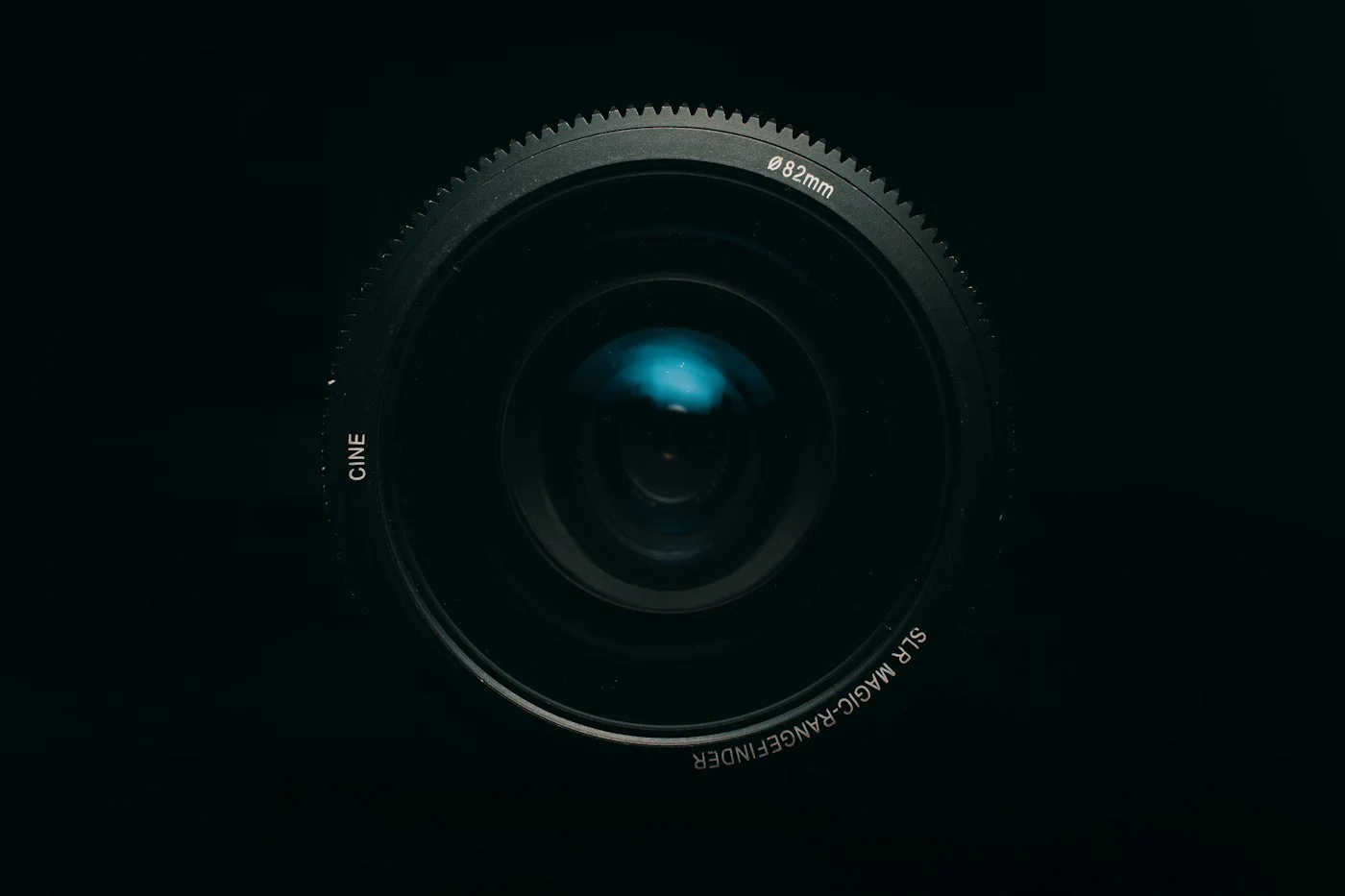
It's tempting to shop for a computer vision camera the way you'd shop for a consumer camera - by resolution and price. For a detection, counting, or tracking application, several other specifications matter more and get far less attention on the product page.
Sensor Size and Low-Light Performance
A larger sensor gathers more light per pixel, which matters more for detection accuracy in dim or variable lighting than raw megapixel count. Optisight's camera modules are specified with sensor size explicitly rather than burying it in fine print, which is worth looking for from any vendor - a camera that performs well in a bright showroom photo can perform noticeably worse in a dim warehouse aisle at 6am.
Field of View and Lens Choice
A wide field of view captures more of a scene but reduces the effective resolution on any single object within it, which hurts detection accuracy at range. Match the lens to the application: a narrow field of view with a longer focal length for detecting small objects at distance, a wide field of view for general area coverage where precise detection of small details matters less.
On-Camera Processing vs. External Compute
Some vision cameras include an onboard NPU and run inference directly on the camera, sending only metadata or alerts back to your system. Others stream raw video to an external edge box - like an EdgeForce inference board - for processing. On-camera processing reduces network bandwidth and simplifies deployment, but limits you to whatever models the camera manufacturer supports. An external compute setup costs more and adds a device to manage, but gives you flexibility to run custom models and to upgrade processing power independently of the camera hardware.
Key Specifications to Compare
- Sensor size and stated low-light sensitivity, not just resolution
- Field of view and available lens options for your specific mounting distance
- Onboard processing capability versus reliance on external compute
- Supported connectivity - PoE simplifies installation considerably over separate power and data runs
- Operating temperature range if the camera will be mounted outdoors or in an unconditioned space
Matching Cameras to Compute Budget
If you're deploying many cameras across a large facility, on-camera processing usually wins on total installation simplicity, since you avoid running video to a central point. If you're running a small number of cameras with demanding or frequently updated models, pairing standard cameras with a dedicated edge board gives you more room to iterate without replacing camera hardware.
A Practical Starting Point
For a first computer vision deployment, start with a small pilot using on-camera processing where available, since it minimizes the number of components you need to debug simultaneously. Reserve external compute setups for applications with model requirements too demanding for onboard processing, or where you expect to iterate on the model regularly.
More from The Aixi
 Buying Guides
Cobots vs. Traditional Industrial Robots: What Small Warehouses Need to Know
 Edge AI
How to Deploy an Edge AI Gateway for Multi-Camera Retail Analytics
 Edge AI
The State of Edge AI Hardware in 2026: A Market Overview
 Buying Guides