Cobots vs. Traditional Industrial Robots: What Small Warehouses Need to Know
Collaborative robots trade raw speed for safety and flexibility. Here's how to decide which approach fits a smaller operation.
Collaborative robots, or cobots, are often pitched as a drop-in replacement for traditional industrial arms, but the two solve different problems. Understanding the trade-offs before you buy will save a costly redesign of your floor layout later.
Safety Envelope and Floor Space
Traditional industrial robots typically operate inside a caged safety zone, moving at speeds that would injure a person on contact. Cobots, including Novarm's current arm lineup, use force-limiting joints and built-in sensors to detect unexpected contact and slow or stop, which lets them work in open floor space alongside people. This safety model is what lets a small warehouse install a cobot next to an existing packing station without a full facility redesign, but it comes at the cost of top speed - a caged industrial arm will out-cycle a cobot on a pure repetition-per-minute basis.
Payload and Reach
Cobots generally handle lighter payloads than their caged counterparts, which makes them a good fit for picking, packing, and light assembly rather than heavy palletizing. Check the rated payload at full reach, not just at the base - most published payload figures drop significantly as the arm extends toward its maximum reach.
Programming and Redeployment
This is where cobots earn their premium for smaller operations. Novarm's mobile picking units and arms are designed to be reprogrammed by walking the arm through a new motion path rather than writing code, which matters if your product mix changes seasonally. A traditional industrial robot usually requires a trained integrator to reprogram, an expense that only makes sense at high volume with a stable product line.
Questions to Ask Before Buying
- How often does your product mix or packaging change? Frequent changes favor a cobot's faster reprogramming.
- What is your actual required cycle time? If you need maximum throughput on a single repetitive task, a caged arm may still be cheaper per unit produced.
- Do you have floor space for a safety cage, and does your facility's ceiling height accommodate one?
- What's the total cost of ownership including integration labor, not just the sticker price of the robot itself?
Mobile Robots as a Third Option
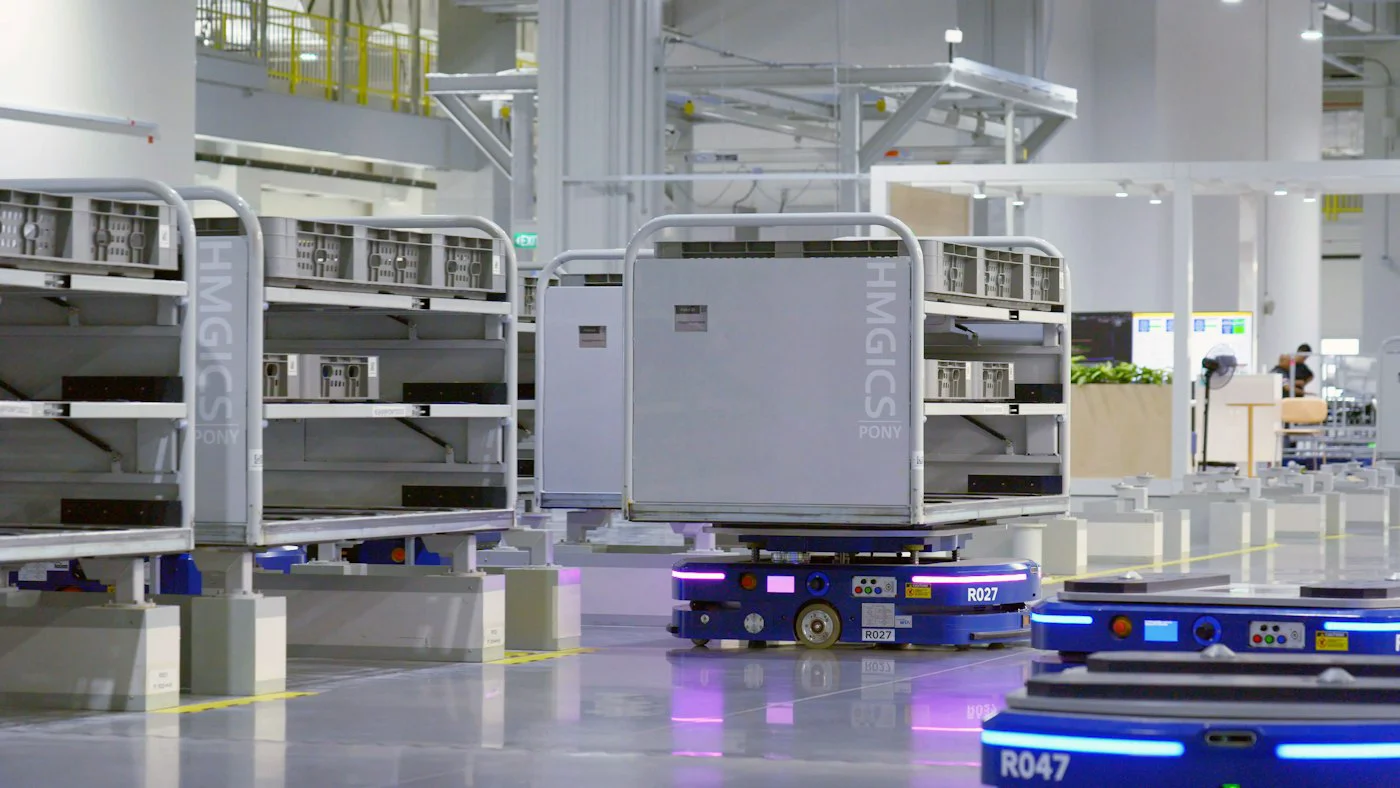
For warehouses moving goods between zones rather than performing a fixed task, a mobile robot base - like Novarm's autonomous mobile units - can replace both the fixed cobot arm and manual cart pushing. These navigate using onboard sensors and a pre-mapped facility layout, and they're worth considering separately from the arm-versus-cobot decision, since many operations end up using mobile bases for transport and a stationary cobot arm for picking at each end point.
A Practical Recommendation
For a small warehouse with a changing product mix and limited floor space, a cobot arm paired with one mobile transport unit is usually the lower-risk starting point. Reserve the traditional caged industrial robot for a single, stable, high-volume task where the extra speed pays for the fixed installation cost within a reasonable timeframe.
More from The Aixi
 Reviews
Novarm's Mobile Picking Robot, Six Months In: A Warehouse Review
 Buying Guides
Choosing a Smart Home Hub: A 2026 Buying Guide
 Buying Guides
Wearable Health Sensors and Data Privacy: What Buyers Should Ask
 Buying Guides